Nometre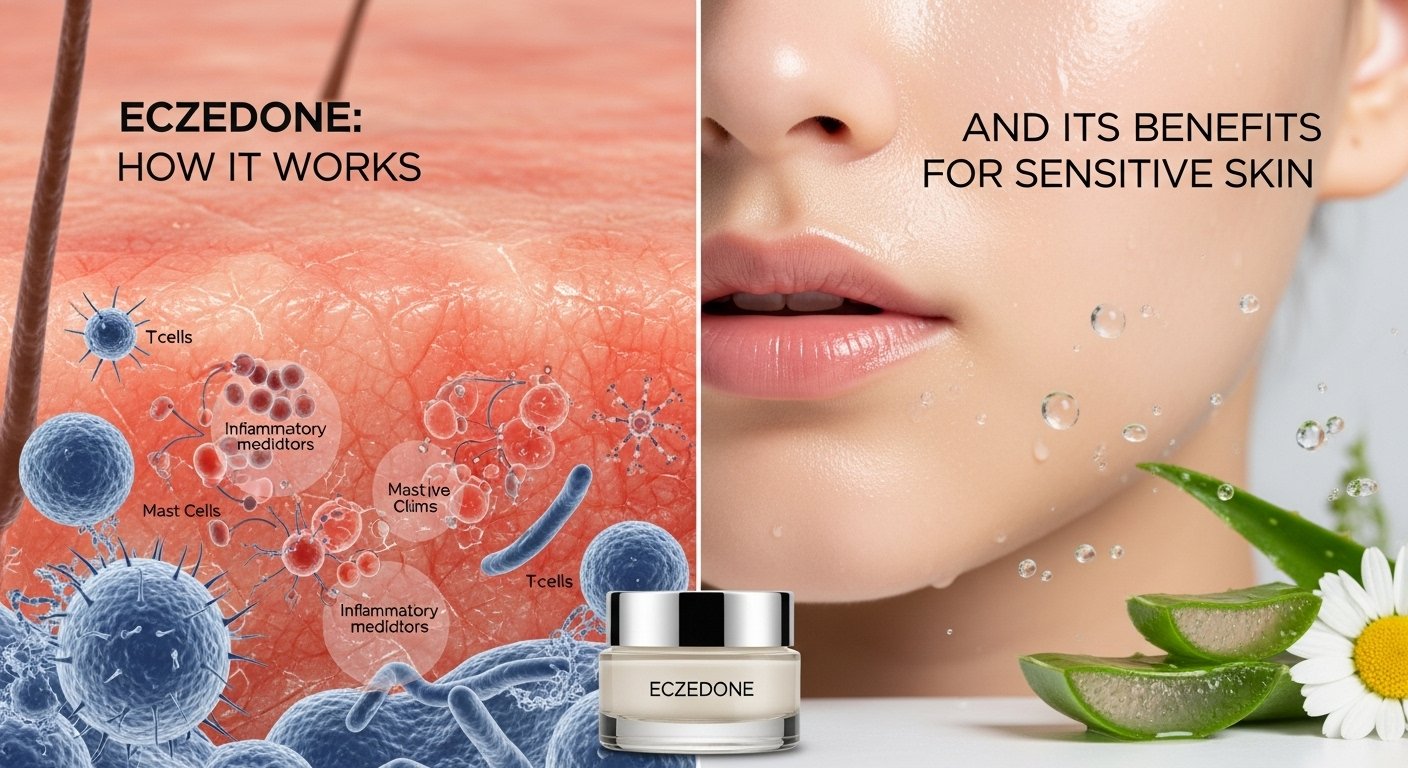
What Is Eczedone?
Eczedone is a topical skincare medication commonly used to treat inflammatory skin conditions such as eczema, dermatitis, and certain allergic reactions. It is typically available in cream or ointment form and is applied directly to the affected area of the skin.
Dermatologists often recommend Eczedone when patients experience redness, itching, swelling, or irritation caused by inflammatory skin disorders.
Why It Is Prescribed for Skin Conditions
Eczedone is prescribed because it helps reduce inflammation, soothe irritation, and promote healing of damaged skin. Many skin conditions involve an overactive immune response that leads to redness and itching. Eczedone works by calming this response and improving comfort.
Doctors may suggest it for short-term flare-ups or as part of a longer treatment plan depending on the severity of the condition.
Growing Popularity in Dermatology
In recent years, topical anti-inflammatory treatments like Eczedone have become increasingly popular in dermatology. Patients prefer treatments that offer quick relief with minimal systemic side effects. As awareness about proper skin care increases, more individuals seek medical guidance and effective topical solutions.
Understanding Common Skin Conditions
Eczema, also known as atopic dermatitis, is a chronic skin condition that causes dryness, redness, itching, and inflammation. It can affect both children and adults and often appears on the hands, elbows, knees, and face.Triggers may include allergens, stress, weather changes, or irritants such as soaps and detergents.
Psoriasis and Inflammatory Skin Disorders
Psoriasis is an autoimmune condition that speeds up skin cell production, causing thick, scaly patches. Other inflammatory skin disorders may include contact dermatitis and seborrheic dermatitis.These conditions often require anti-inflammatory treatments to reduce symptoms and prevent flare-ups.
Allergic Skin Reactions
Allergic reactions on the skin may appear as rashes, hives, swelling, or redness. These reactions occur when the immune system responds to allergens such as certain foods, medications, or environmental substances.Topical treatments like Eczedone can help manage these symptoms effectively.
Fungal and Bacterial Skin Issues
Some skin problems are caused by infections rather than inflammation alone. Fungal infections can cause itching and redness, while bacterial infections may result in swelling and pus formation.In some cases, Eczedone may be combined with antifungal or antibacterial agents if inflammation is also present.
What Is Eczedone Made Of?
Eczedone typically contains an active anti-inflammatory ingredient, often a mild to moderate corticosteroid. This ingredient reduces swelling, redness, and itching by suppressing inflammatory chemicals in the skin.The exact formulation may vary depending on the manufacturer and prescription strength.
Role of Anti-Inflammatory Components
The anti-inflammatory component is responsible for controlling immune responses in the skin. By reducing inflammation, it prevents worsening of symptoms and allows the skin to recover more effectively.
Additional Supporting Ingredients
Besides the active ingredient, Eczedone may include moisturizing agents, stabilizers, and preservatives. Moisturizers help restore the skin barrier, which is often damaged in eczema and dermatitis.Inflammation is a key cause of discomfort in many skin conditions. Eczedone helps calm the inflamed area, leading to visible improvement within days in many cases.
Controlling Itching and Irritation
Itching can be severe and disruptive. By targeting inflammation, Eczedone reduces itchiness and prevents scratching, which can otherwise worsen the condition.When inflammation decreases, the skin has a better chance to heal. Supporting ingredients in Eczedone may help strengthen the skin’s protective barrier and reduce moisture loss.
Clinical Safety Overview
Topical anti-inflammatory medications are generally safe when used as directed. Short-term use carries minimal risk for most individuals.Adults and older children may use Eczedone under medical advice. Suitability depends on the specific skin condition and overall health.
Age Restrictions and Medical Conditions
Infants, pregnant women, and individuals with certain medical conditions should consult a healthcare provider before use.Avoid using Eczedone on infected, open wounds unless specifically directed by a doctor. It should not be used for untreated fungal or bacterial infections alone.
Possible Side Effects of Eczedone
Mild Side Effects
- Temporary burning sensation
- Dryness
- Mild irritation
Moderate Reactions
- Skin thinning (with prolonged use)
- Stretch marks
- Changes in skin color
Rare but Serious Risks
- Severe allergic reactions
- Worsening infection
Seek medical help if you experience severe swelling, difficulty breathing, or worsening skin symptoms.
Comparison with Steroid Creams
If Eczedone contains a corticosteroid, it functions similarly to other steroid creams. The difference lies in formulation strength and additional moisturizing ingredients.
Comparison with Natural Remedies
Natural remedies such as aloe vera or coconut oil may soothe mild irritation, but they may not control severe inflammation as effectively as medicated creams.
Prescription vs Over-the-Counter Options
Some formulations may require a prescription, while milder versions could be available over the counter. Always consult a pharmacist or doctor for guidance.
Expert Opinions and Medical Insights
Dermatologists generally recommend topical anti-inflammatory creams for flare-ups of eczema and dermatitis. They emphasize correct usage to avoid side effects.
Clinical Study Findings
Studies on topical corticosteroids show significant improvement in inflammatory skin conditions when used properly and for limited durations.
Patient Experience Overview
Many patients report improved comfort, reduced itching, and better skin appearance after consistent use under medical supervision.
Frequently Asked Questions (FAQs)
Can Eczedone Be Used Daily?
It can be used daily if prescribed, but prolonged continuous use should be monitored by a doctor.It may be safe for children in appropriate strengths, but only under medical advice.
Can It Be Used on the Face?
Facial skin is sensitive. Use only if recommended by a healthcare provider.Some improvement may be visible within a few days, though full results depend on the condition’s severity.
Final Thoughts: Should You Use Eczedone?
Eczedone offers effective relief from inflammation, itching, redness, and irritation associated with common skin conditions.When used correctly and for appropriate durations, it is generally safe. Misuse or overuse may increase side effect risks.
Before starting Eczedone, consult a healthcare professional to confirm the diagnosis and receive personalized advice. Proper guidance ensures safe and effective treatment for healthier skin.


 Anastasiya Yurkevich