Mirzarehmanseo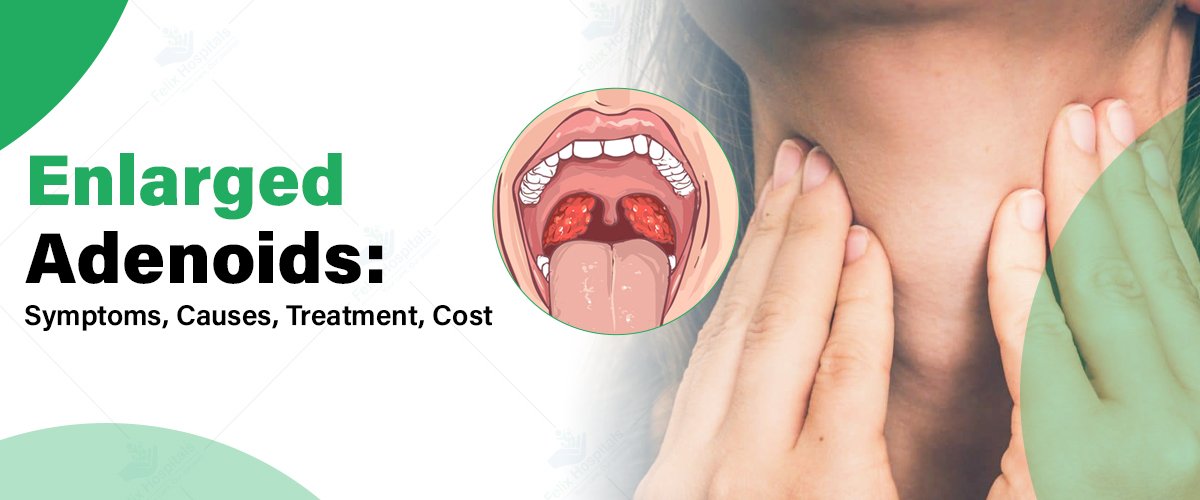
Understanding Adenoidid and Its Common Causes
Adenoidid is a condition linked with enlarged or swollen adenoids, which are small patches of tissue located behind the nose and above the throat. These tissues are part of the immune system and help children fight infections during early growth stages. However, when adenoids become enlarged, they may create breathing difficulties, sleep issues, and repeated infections.
Many parents notice changes in their child’s breathing patterns but may not understand the reason behind them. Enlarged adenoids are very common in children because the tissues naturally grow during early childhood. They usually become larger until around six years of age and then slowly shrink over time. In most cases, adenoids almost disappear during the teenage years.
What Are Adenoids?
Adenoids are soft tissues that work like a protective filter for bacteria and viruses entering through the nose. They play an important role in supporting the immune system during childhood. However, frequent infections or allergies can make them swollen.
When the swelling continues for a long period, children may experience blocked nasal passages, mouth breathing, or disturbed sleep.
Common Adenoids Causes
Several health conditions may lead to enlarged adenoids. The most common adenoids causes include:
- Repeated throat or ear infections
- Seasonal allergies
- Adenoidid
- Weak immune response
- Exposure to smoke or pollution
- Chronic sinus infections
Children are more likely to experience these problems because their immune systems are still developing.
Symptoms of Enlarged Adenoids
The symptoms can vary from mild to severe depending on the size of the swollen tissue. Some children only experience slight breathing issues, while others may face daily discomfort.
Breathing Problems During Sleep
One of the most common symptoms is difficulty breathing through the nose. Children often breathe through their mouths, especially while sleeping. Loud snoring and restless sleep may also occur.
Frequent Ear and Throat Infections
Enlarged adenoids can block the Eustachian tubes, causing fluid buildup in the ears. This can lead to repeated ear infections and throat irritation.
Changes in Facial Appearance
Long-term mouth breathing may sometimes lead to what is commonly called “Adenoids face.” This condition may include:
- A narrow upper jaw
- Open-mouth posture
- Dry lips
- Long facial structure
- Adenoidid
These facial changes usually develop slowly if breathing problems remain untreated for years.
Main Points
- Enlarged adenoids are most common in children under 10 years old.
- Natural remedies may help reduce mild swelling and discomfort.
- Untreated breathing issues may affect sleep quality and facial growth.
Natural Ways to Reduce Adenoid Swelling
Many parents prefer natural treatments before considering surgery. While severe cases require medical attention, mild swelling can sometimes improve with home care and lifestyle changes.
Essential Oils for Relief
Essential oils are widely used for soothing throat discomfort and reducing inflammation. Oils such as peppermint, eucalyptus, and lavender contain natural properties that may help calm irritation.
A diffuser can spread these oils into the air, making breathing more comfortable. Some people also apply diluted oils externally around the throat area. However, essential oils should always be used carefully and never applied directly without dilution.
Warm Salt Water Gargles
Warm salt water can help reduce throat irritation and clear mucus buildup. Gargling regularly may provide temporary relief from swelling and discomfort.
Staying Hydrated
Drinking enough water helps keep the throat moist and supports the body’s healing process. Warm soups and herbal teas may also reduce irritation.
Using a Humidifier
Dry air can worsen breathing discomfort. A humidifier adds moisture to indoor air and may improve nighttime breathing.
At What Age Do Adenoids Disappear?
Adenoids naturally change in size as children grow older. They become larger during early childhood because the immune system is very active at that stage. Usually, the adenoids grow until around six years of age.
After that, they begin shrinking gradually. By the late teenage years, the tissue becomes very small or almost disappears completely. Most people no longer experience adenoid-related problems after adolescence.
When Should You See a Doctor?
Although mild symptoms may improve naturally, some signs require medical attention. Parents should consult a healthcare professional if a child experiences:
- Continuous snoring
- Difficulty breathing
- Frequent infections
- Hearing problems
- Poor sleep quality
Doctors may recommend medications or surgery depending on the severity of the condition.
Why Early Attention Matters
Ignoring breathing issues for a long period may affect a child’s comfort, concentration, and sleep quality. Early treatment can prevent complications and improve daily life.
Parents should monitor symptoms carefully and seek medical guidance if symptoms continue for weeks or worsen over time.
Conclusion
Enlarged adenoids are a common childhood condition that may cause breathing difficulties, infections, and sleep problems. In many cases, adenoids naturally shrink as children grow older. Natural remedies such as humidifiers, hydration, and essential oils may help reduce mild discomfort. However, severe symptoms should never be ignored. Early medical attention and healthy lifestyle habits can improve comfort, support better breathing, and prevent long-term complications related to adenoidid issues.
FAQs
1. What causes enlarged adenoids?
Enlarged adenoids are usually caused by infections, allergies, pollution, or repeated throat problems.
2. Can adenoids go away naturally?
Yes, adenoids usually shrink naturally during the teenage years and may almost disappear by age sixteen.
3. Are essential oils helpful for swollen adenoids?
Peppermint, eucalyptus, and lavender oils may help reduce irritation and improve breathing comfort when used properly.
4. What is Adenoids face?
Adenoids face refers to facial changes caused by long-term mouth breathing due to enlarged adenoids.
5. When is adenoid surgery necessary?
Surgery may be recommended if enlarged adenoids cause severe breathing problems, sleep issues, or repeated infections.


 abraham.lion
 Anastasiya Yurkevich