Anastasiya Yurkevich
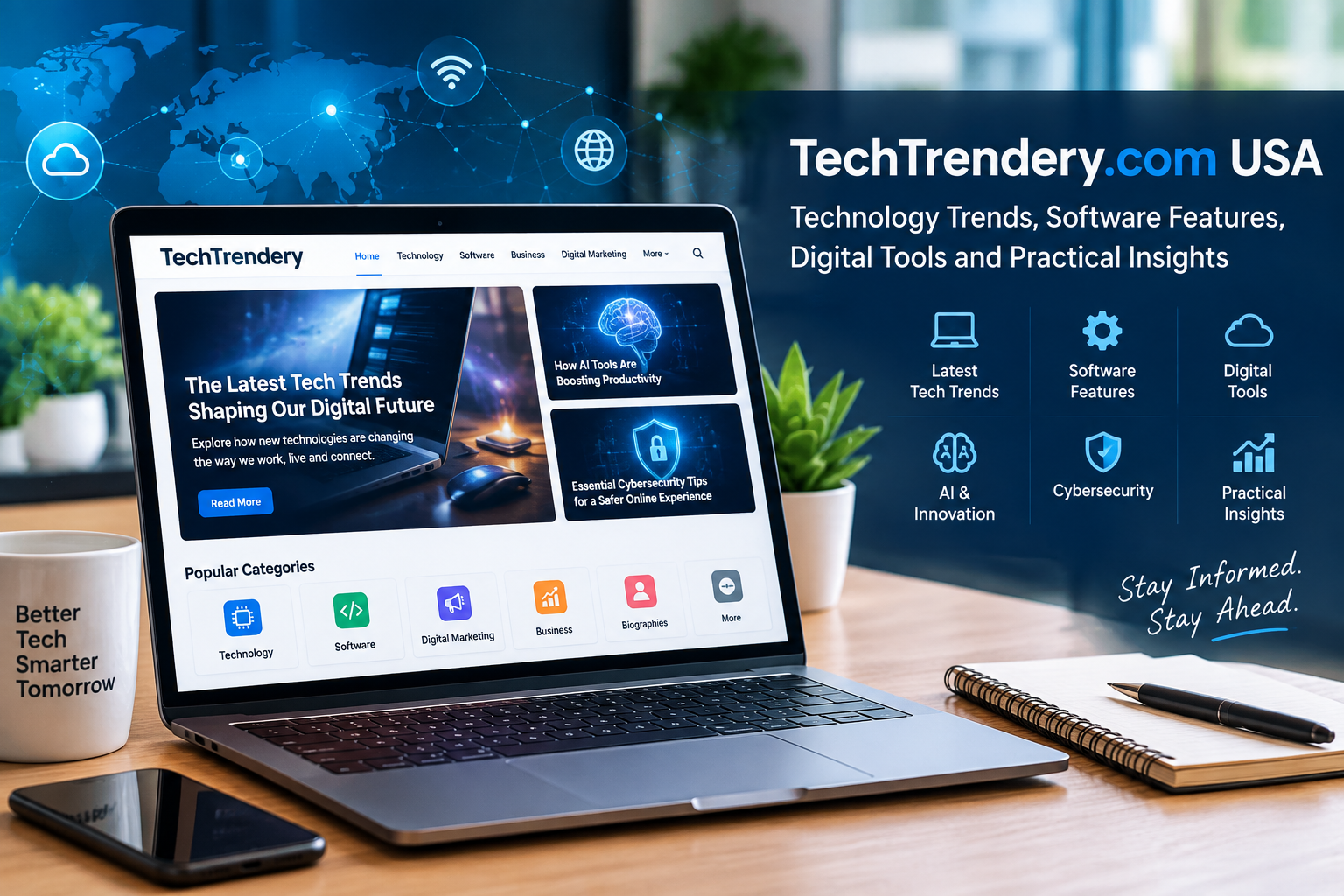
Explore TechTrendery.com USA and discover technology insights, software features, and useful digital tools. Learn about modern online platforms, productivity solutions, software usability, and practical tips to understand technology and make informed digital decisions.
Introduction
Technology continues to shape how people work, communicate, learn, and manage everyday tasks. From productivity applications to online platforms, digital tools have become an important part of modern life. Readers in the United States often look for accessible information that helps them understand new software, explore useful features, and make informed decisions about technology.
TechTrendery.com USA is a search term that combines a website name with a geographic identifier. People searching for it may want to learn about the website, explore its technology-related content, or understand whether it provides useful information about software and digital services. This guide explains how to approach the topic, what to consider when evaluating technology websites, and how software features can support practical everyday needs.
What Is TechTrendery.com USA?
The phrase “TechTrendery.com USA” may be used by people looking for technology-related information associated with the United States. However, the keyword alone does not establish the website’s ownership, location, editorial focus, or specific software offerings.
When exploring a technology website, it is useful to understand its purpose before relying on its content. Some technology publications focus on software tutorials, while others cover consumer technology, online services, digital trends, or practical guides.
Understanding the Website’s Purpose
A website’s purpose can usually be identified by reviewing its About page, article categories, published content, and contact information. These details help readers understand whether the platform focuses on software education, technology news, product information, or another subject.
For example, a reader researching a new productivity application may need step-by-step instructions, while someone comparing software products may need information about pricing, compatibility, and available features.
Understanding the website’s actual content helps visitors determine whether it meets their needs.
Software Features and Their Everyday Uses
Software features are the individual tools and functions that allow an application to perform specific tasks. Their usefulness depends on how well they address a user’s needs.
1. User-Friendly Navigation
Clear navigation makes software easier to understand. Well-organized menus, readable labels, and logical page layouts help users locate important functions without unnecessary effort.
For example, a project management application might separate tasks, calendars, team messages, and reports into distinct sections. This structure makes it easier for users to find the information they need.
Technology websites can apply similar principles through organized categories, descriptive headings, and accessible menus.
2. Automation and Productivity
Automation allows software to perform repetitive tasks with limited manual involvement. Depending on the application, users may automate reminders, organize incoming information, generate reports, or schedule routine activities.
A small business, for instance, might use automation to send appointment reminders or organize customer inquiries. These features can reduce repetitive work and help employees focus on more complex responsibilities.
Before using automation, users should check which tasks are supported and whether the feature requires a paid subscription.
3. Compatibility Across Devices
Modern software may be designed for desktop computers, smartphones, tablets, or web browsers. Compatibility determines whether users can access the necessary features on their preferred devices.
Cloud-based applications may also synchronize information across multiple devices, depending on their configuration.
Before choosing a tool, check its supported operating systems, browser requirements, mobile functionality, and account limitations.
Key Takeaways
Key Takeaways
- Verify the website: Review its published content and official information rather than assuming its features from its name.
- Compare software features: Consider usability, compatibility, automation, pricing, and security before choosing a digital tool.
- Protect your information: Check privacy policies, permissions, and account security when using online platforms.
How to Evaluate a Technology Website
A technology website can be useful for learning about digital products, but readers should evaluate the quality and relevance of its information.
Check Accuracy and Publication Dates
Software changes frequently. An article describing an application’s interface or pricing may become outdated after an update.
Look for publication dates, revision dates, and links to official documentation. When instructions involve important account settings or security options, verify them against the software provider’s current guidance.
Review Sources and Evidence
Reliable technology content should explain where important information comes from. Product documentation, official announcements, and clearly identified testing methods can help readers understand how a claim was established.
Be cautious with articles that make broad promises without providing supporting details.
Understand Sponsored Content
Some technology publications publish sponsored articles, affiliate links, or promotional product reviews. These arrangements do not automatically make information inaccurate, but readers should understand when commercial relationships may be involved.
Check whether promotional material is clearly identified and whether product recommendations include meaningful information about limitations.
Privacy and Security When Using Online Platforms
Privacy and security are important considerations whenever users create accounts, submit information, or install software.
A website’s appearance alone cannot establish whether its services are secure. Users should examine the available privacy and security information before sharing personal or business data.
Practical Security Measures
- Use unique passwords for different accounts.
- Enable multifactor authentication when available.
- Review requested permissions before installing applications.
- Avoid entering sensitive information into unfamiliar websites.
- Keep browsers, operating systems, and applications updated.
For business software, it is also useful to understand who can access stored information, how account access can be removed, and whether data can be exported or deleted.
These precautions help users make more informed decisions when exploring unfamiliar digital services.
Finding Useful Technology Information in the USA
Readers in the United States may have different software requirements depending on their profession, location, device preferences, or business needs.
For example, a freelancer may prioritize invoicing and time tracking, while a small business owner may need customer relationship management software. A student might look for note-taking applications, document editors, or collaborative learning tools.
When researching a particular platform, focus on the information relevant to your situation:
- Supported devices and operating systems.
- Available features and subscription plans.
- Customer support options and documentation.
- Privacy practices and data handling.
- Accessibility and ease of use.
These details provide a practical basis for comparing digital tools without relying solely on marketing descriptions.
Conclusion
TechTrendery.com USA is a search term that may help readers locate technology-related information, but the website’s specific services and features should be verified through its published content. When exploring digital platforms, focus on reliable information, practical software capabilities, compatibility, and security. Comparing these factors can help readers identify resources that match their needs. A careful approach makes technology research more useful, informed, and relevant to everyday digital activities.