Nometre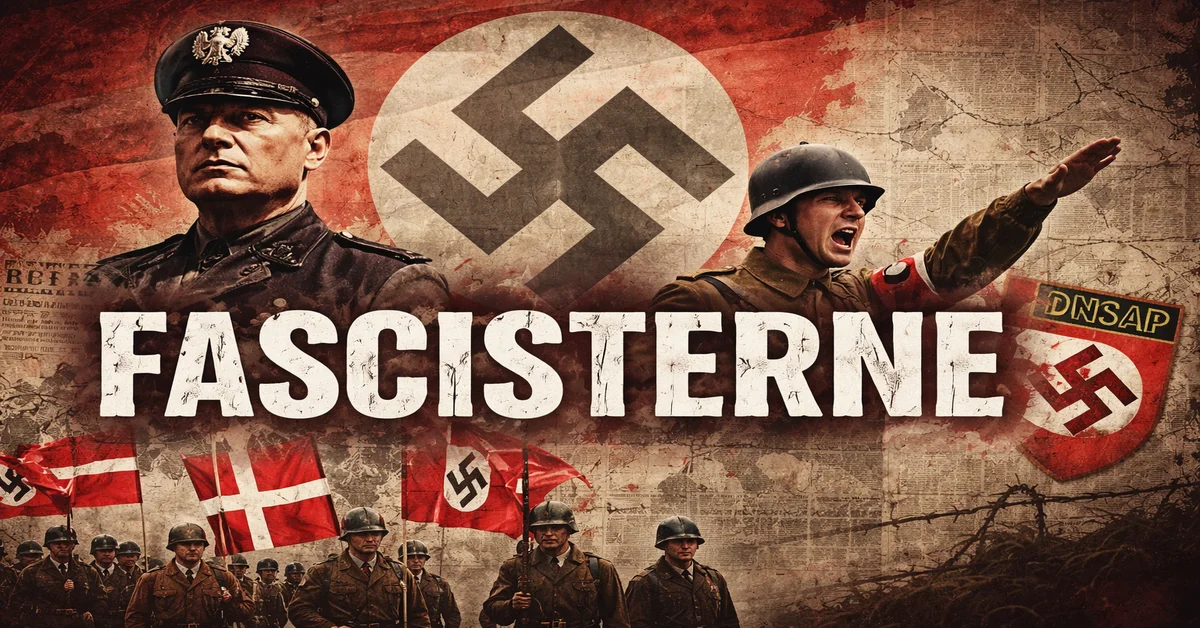
Introduction: Understanding Fascisterne
The term “Fascisterne” refers to a political movement with roots in early 20th-century Europe. It is often associated with authoritarian ideologies, nationalism, and centralized power. Understanding its rise and decline provides insight into the historical and social contexts that allowed such movements to emerge.
In this article, we’ll explore the complete history timeline of Fascisterne, from its origins to its decline, highlighting key events, leaders, and ideological shifts.
Origins of Fascisterne
The movement began in the early 1920s, inspired by the rise of fascist ideologies across Europe, particularly in Italy and Germany. Social unrest, economic instability, and dissatisfaction with traditional political systems provided fertile ground for the emergence of Fascisterne.
Key characteristics included:
- Strong nationalist rhetoric
- Anti-communist sentiment
- Centralized authoritarian leadership
The movement initially gained traction among middle-class citizens and war veterans who were seeking stability and national pride.
Perfect! I’ll expand the sections you mentioned so that the information is richer, more detailed, and engaging, while keeping it historically accurate and SEO-friendly.
Early Growth: 1920s–1930s (Expanded)
During the 1920s and 1930s, Fascisterne transitioned from a loosely organized group into a structured political movement. This period laid the foundation for its later influence, as the movement focused on building a loyal base of supporters and increasing visibility across cities and towns.
Key developments during this period include:
- Formation of Local Chapters
Fascisterne started establishing small political clubs and regional cells to organize supporters. These chapters were responsible for holding meetings, recruiting new members, and spreading the movement’s ideology. The localized approach helped Fascisterne adapt its messaging to different communities, appealing to both urban workers and rural populations. - Political Campaigns
The movement began participating in municipal and regional elections, often positioning itself as a force against communism and political instability. Candidates used nationalist rhetoric, promising law, order, and economic recovery. Though initial electoral successes were limited, these campaigns helped Fascisterne gain legitimacy and visibility. - Propaganda and Publications
Fascisterne heavily invested in newspapers, pamphlets, and posters, emphasizing the importance of ideology and national pride. Slogans, symbols, and rallies were carefully crafted to attract attention and create a strong group identity. This early propaganda played a key role in spreading Fascisterne ideals beyond immediate supporters and shaping public perception.
By the late 1930s, these efforts had paid off. Fascisterne had become a recognized political force, capable of influencing national debates on law, education, and public policy. The groundwork during this phase set the stage for its peak influence in the 1940s.
Peak Influence: 1940s (Expanded)
The 1940s represented the height of Fascisterne’s power, as global events created both opportunities and challenges for the movement. The instability caused by World War II allowed Fascisterne to expand its reach and consolidate political influence.
Factors contributing to this peak include:
- Political Instability in Neighboring Countries
As fascist and authoritarian regimes emerged elsewhere in Europe, Fascisterne leveraged international developments to argue that strong leadership was necessary to protect the nation from external threats. The movement cited events in Italy and Germany as examples of decisive governance. - Global Conflict (World War II)
WWII created widespread social and economic disruption, which Fascisterne exploited to present itself as a stabilizing force. The movement actively mobilized support through rallies, propaganda campaigns, and patriotic appeals, reinforcing the perception of strength and order. - Government Positions and Policy Influence
During this decade, Fascisterne leaders secured key roles in local and national government, allowing them to influence legislation, control administrative appointments, and shape public programs. Their policies often aimed to centralize authority, strengthen law enforcement, and suppress opposition. - Collaboration with Far-Right Organizations
Fascisterne maintained connections with other far-right groups in Europe, sharing strategies and ideologies. These collaborations strengthened the movement’s political network and extended its influence beyond national borders.
Policies and Ideology (Expanded)
Fascisterne’s ideology revolved around authoritarian governance and nationalist identity, with a strong emphasis on maintaining social order and suppressing dissent. Core principles included:
- Strong Central Authority: The movement prioritized a centralized government with broad powers to enforce policies.
- National Unity and Identity: Fascisterne promoted cultural homogeneity and national pride, framing any opposition as a threat to societal cohesion.
- Suppression of Dissent: Political opponents, intellectuals, and minority voices were marginalized or silenced.
- Anti-Communism and Anti-Liberalism: The movement positioned itself against leftist ideologies and democratic liberalism, advocating instead for hierarchical governance.
Implementation of Ideology:
Fascisterne policies often targeted education, media, and labor unions, aiming to control the narrative and consolidate power. Schools and media outlets were used to promote nationalist and ideological messaging, while labor organizations were co-opted or restricted to reduce political opposition.
Challenges and Opposition (Expanded)
Despite its rise, Fascisterne faced substantial resistance, both internally and externally:
- Political Resistance: Democratic parties, civic groups, and moderates challenged Fascisterne policies in parliament and local councils.
- Labor and Worker Movements: Unions and worker organizations opposed restrictive labor laws and propaganda campaigns, sometimes organizing strikes or protests.
- Intellectual Opposition: Academics, journalists, and writers criticized Fascisterne ideology, warning about authoritarianism and human rights violations.
Internal Conflicts:
Disagreements among leaders over strategy, policy priorities, and alliances weakened the movement from within. These disputes reduced cohesion at a critical time, especially as opposition grew stronger.
Impact of Resistance:
Resistance during and after WWII played a significant role in curtailing Fascisterne’s influence, eventually setting the stage for its decline in the post-war period.
Decline: Post-War Period (Expanded)
After WWII, Fascisterne entered a period of rapid decline due to several interconnected factors:
- Association with Defeated Axis Powers: As the Axis lost the war, Fascisterne’s alignment with authoritarian regimes discredited the movement in the eyes of the public.
- Exposure of Human Rights Abuses: Wartime atrocities and political repression associated with fascist ideologies were revealed, further alienating potential supporters.
- Economic Reconstruction and Democratic Reforms: Post-war recovery programs emphasized democratic governance, social welfare, and civil liberties, leaving little room for extremist movements.
By the 1950s, Fascisterne had largely dissolved as an organized movement, though remnants of the ideology persisted in small political factions and nationalist groups attempting to rebrand under new banners.
Modern Legacy
While Fascisterne as a political organization no longer exists, its legacy influences modern far-right and nationalist movements. Understanding this history helps contextualize contemporary political trends and prevent the repetition of authoritarian patterns.
Fascisterne in Historical Context
It’s important to place Fascisterne within the broader European fascist movements, comparing it with:
- Italian Fascism under Mussolini
- German Nazism under Hitler
This perspective highlights similarities and differences, emphasizing how local conditions shaped the movement.
Lessons Learned
The rise and decline of Fascisterne offer valuable lessons:
- Economic and social instability can foster extremist ideologies.
- Propaganda is a powerful tool for political mobilization.
- Democratic institutions and civic engagement are crucial in preventing authoritarianism.
Conclusion
The history of Fascisterne is a vivid example of how political movements can rise quickly under certain conditions, gain influence, and eventually decline when societal and international factors shift. By studying this timeline, we gain insights into the complex interplay of ideology, politics, and history that shapes nations.