Mirzarehmanseo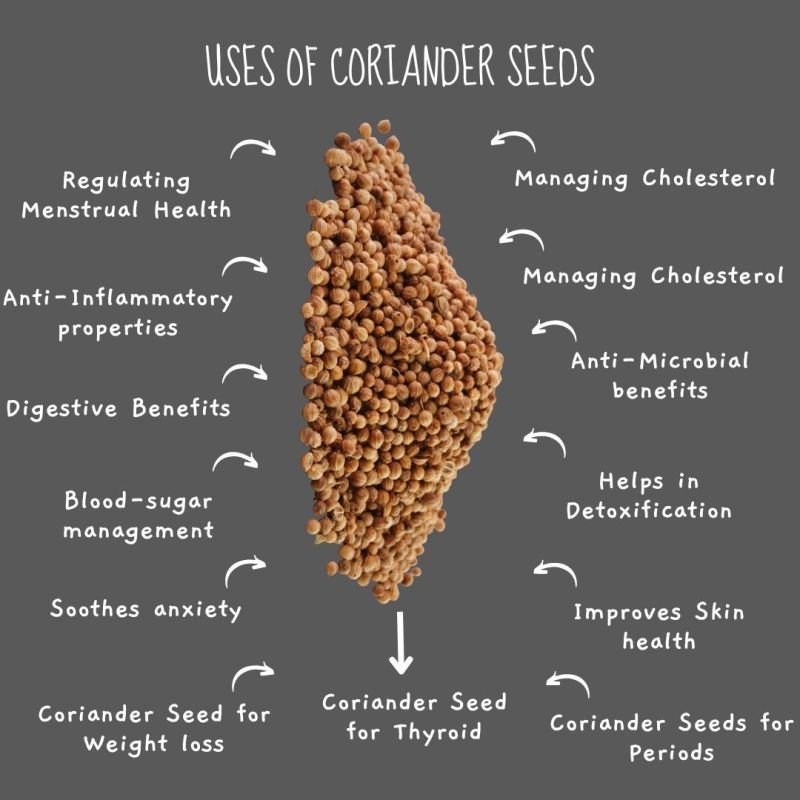
Introduction
Coriander has been used in herbal medicine for thousands of years. Known for its fresh aroma and powerful healing properties, coriander is more than just a kitchen ingredient. Ancient civilizations in Asia, the Middle East, and Europe used coriander to treat different health problems naturally. Both the leaves and seeds of coriander contain important nutrients, antioxidants, and medicinal compounds that support overall health.
Today, modern science also supports many traditional beliefs about coriander’s healing benefits. From improving digestion to helping the immune system, coriander remains an important herb in natural medicine. In this article, we will explore the traditional uses of coriander in herbal medicine and why it is still valued around the world.
What Is Coriander?
Coriander is a popular herb that comes from the coriander plant, scientifically known as Coriandrum sativum. In many countries, the fresh green leaves are called cilantro, while the dried seeds are known as coriander seeds.
The herb originated in regions near the Mediterranean and South Asia. For centuries, traditional healers used coriander in herbal remedies because of its natural healing effects. Ancient Egyptians even placed coriander seeds in tombs because they believed the plant had sacred and medicinal value.
Nutritional Value of Coriander
Coriander is rich in essential vitamins, minerals, and natural antioxidants that support overall health and wellness. This traditional herb contains nutrients that help strengthen the immune system, improve digestion, and maintain healthy skin and bones. Coriander is also low in calories, making it a healthy addition to daily meals.
Vitamins in Coriander
- Vitamin A
- Vitamin C
- Vitamin K
Minerals in Coriander
- Calcium
- Potassium
- Iron
- Magnesium
Natural Compounds
Coriander also contains antioxidants and anti-inflammatory compounds that protect the body from diseases and infections.
These nutrients are one reason coriander became an important herb in traditional medicine systems like Ayurveda and Chinese medicine.
Traditional Uses of Coriander in Herbal Medicine
Coriander has been an important part of traditional herbal medicine for many centuries. Ancient healers from Asia, the Middle East, and Europe used coriander to treat different health conditions naturally. The herb was valued for its cooling nature, soothing aroma, and powerful healing compounds. Both coriander leaves and seeds were commonly included in herbal remedies to support overall wellness and balance in the body.
Benefits for Digestion
- Reduces bloating
- Helps relieve gas
- Supports healthy digestion
- Stimulates appetite
Many people still drink coriander tea after meals to improve digestion naturally.
Coriander as a Natural Detox Herb
Traditional herbal practitioners used coriander to help maintain healthy liver function and improve the body’s natural detox process. The liver plays an important role in filtering harmful substances, and coriander was believed to support this process effectively. Herbal remedies made from coriander seeds were often consumed to refresh the body and improve internal health
Detoxification Benefits
- Helps flush harmful substances from the body
- Supports kidney function
- Promotes healthy liver activity
In Ayurveda, coriander water is commonly used as a natural detox drink.
Coriander for Treating Infections
Coriander has been traditionally used as a natural remedy for fighting infections and protecting the body from harmful bacteria. Ancient herbal healers believed coriander contained powerful healing properties that could support the immune system naturally. Because of its antibacterial and antifungal effects, coriander became a common ingredient in many herbal treatments. Both coriander leaves and seeds were used to prepare natural remedies for internal and external infections.
Traditional Infection Remedies
- Applied to skin infections
- Used for minor wounds
- Added to herbal mixtures for colds and coughs
Modern studies show that coriander contains compounds that may help stop the growth of harmful bacteria.
Coriander in Ayurvedic Medicine
Ayurvedic healers traditionally used coriander to strengthen the digestive system and improve nutrient absorption. The herb was believed to reduce acidity, bloating, indigestion, and stomach irritation after meals. Coriander seeds were frequently combined with fennel and cumin to prepare powerful digestive herbal mixtures. These natural remedies helped maintain a healthier and more comfortable digestive process.
Ayurvedic Uses of Coriander
- Reducing body heat
- Supporting digestion
- Relieving acidity
- Improving urinary health
Ayurvedic practitioners often combine coriander with fennel and cumin for better digestive support.
Coriander for Blood Sugar Control
Traditional herbal practitioners believed coriander could help regulate blood sugar levels by supporting the body’s natural insulin activity. Coriander seeds were often used in homemade remedies for people experiencing symptoms related to high sugar intake. Herbal healers recommended consuming coriander water or herbal teas regularly for better internal balance.
How Coriander Helps
- Supports healthy insulin activity
- Helps maintain balanced blood sugar
- May reduce sugar spikes after meals
Many herbal healers recommended coriander seeds for people experiencing symptoms related to high blood sugar.
Coriander for Better Sleep and Relaxation
Traditional medicine practitioners believed coriander could help reduce stress and mental fatigue after a long day. Its natural compounds were thought to calm overactive thoughts and support emotional balance. Herbal remedies made from coriander were commonly used to promote relaxation without causing side effects. This made it a trusted herb for daily stress management in many cultures.
Relaxing Properties
- Helps reduce stress
- Supports mental relaxation
- May improve sleep quality
People often consumed coriander tea before bedtime to help calm the mind naturally.
Coriander in Traditional Chinese Medicine
In Traditional Chinese Medicine, coriander was commonly used to strengthen the digestive system and improve appetite. Herbal practitioners believed it could help reduce bloating, stomach discomfort, and indigestion. It was often added to warm soups and broths to support better nutrient absorption. Its gentle warming effect made it useful for people with weak digestion.
Common Uses
- Improving digestion
- Supporting circulation
- Helping with seasonal illnesses
Chinese herbal practitioners sometimes used coriander in soups and medicinal broths to strengthen the body.
Skin Benefits of Coriander in Herbal Remedies
Coriander has been widely used in Traditional Chinese Medicine (TCM) for its warming, digestive, and healing properties. In ancient Chinese herbal practice, it was believed to help balance internal energy (Qi) and support overall harmony within the body. Both the leaves and seeds were used in soups, teas, and herbal remedies to treat various health conditions naturally.
Traditional Skin Uses
- Treating acne
- Reducing skin irritation
- Soothing rashes
- Improving skin appearance
Some herbal remedies used coriander juice mixed with turmeric for clearer skin.
Coriander Seeds in Herbal Medicine
Coriander seeds have been highly valued in traditional herbal medicine because they contain concentrated active compounds that support overall health. Ancient healers preferred coriander seeds over leaves in many remedies because of their stronger medicinal effects. These seeds were commonly dried, crushed, and used in teas, powders, and herbal mixtures for treating various health problems naturally.
Traditional Uses of Coriander Seeds
- Making herbal tea
- Improving digestion
- Supporting heart health
- Relieving inflammation
The seeds are often dried, crushed, and added to herbal mixtures.
Modern Research on Coriander Benefits
Modern research shows that coriander contains strong antioxidants that help protect the body from oxidative stress. These antioxidants may reduce cell damage caused by free radicals, which are linked to aging and many chronic diseases. Scientists believe this is one reason coriander has long been used in traditional healing practices. Its natural protective effects make it a valuable herb for overall wellness.
Research Findings
- Coriander contains antioxidants
- It may help reduce inflammation
- It supports digestive health
- It may help lower cholesterol levels
Although more research is needed, scientists agree that coriander has promising medicinal properties.
How to Use Coriander Safely
Coriander is generally safe for most people when used in normal food amounts or mild herbal preparations. It has been used in traditional medicine for centuries without major side effects when consumed properly. However, like any herbal remedy, coriander should be used in a balanced and careful way to avoid unwanted reactions or overuse. Understanding safe usage helps you enjoy its benefits without any risk.
Safety Tips
- Avoid excessive use
- Consult a healthcare professional if pregnant
- Check for allergic reactions
Using fresh coriander in food and tea is usually considered safe for most people.
Conclusion
Coriander has played an important role in herbal medicine for centuries. From digestive support to detoxification and skin care, traditional healers trusted coriander for many natural remedies. Its rich nutritional profile and healing compounds continue to make it valuable in both traditional and modern health practices.
Today, coriander remains one of the most respected herbs in natural medicine. Whether used in tea, food, or herbal treatments, coriander offers many health benefits that have stood the test of time.


 Anastasiya Yurkevich