abraham.lion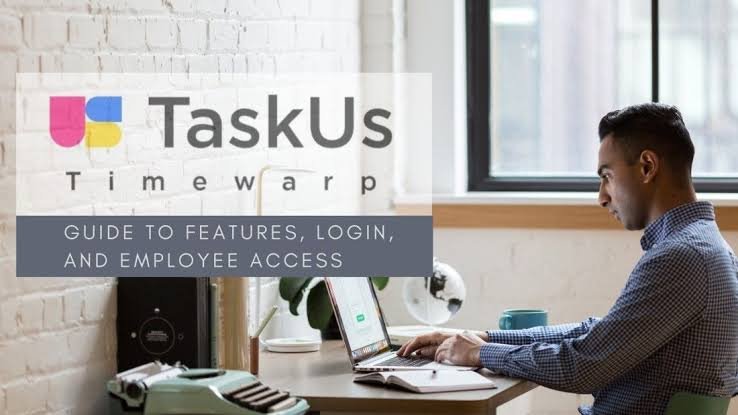
In the modern outsourcing industry, companies rely heavily on digital systems to manage large teams working across different regions and time zones. One such system often referred to in operational discussions is timewarp taskus. It is associated with workforce tracking, time management, and operational monitoring within structured service environments.Companies like TaskUs depend on internal systems such as this to maintain accuracy in employee scheduling, attendance tracking, and productivity measurement. As organisations scale globally, the need for reliable time management tools becomes increasingly important.
This article explains what timewarp taskus is, how it works, and why it plays an important role in modern business operations.
What is Timewarp TaskUs?
Timewarp taskus refers to a digital system used for tracking employee working hours and managing workforce data. It is primarily designed to help organisations monitor shifts, attendance, and task duration in a structured and efficient way.
In large outsourcing companies, thousands of employees may be working on different projects simultaneously. Without a central system, managing this level of complexity would be difficult. Timewarp taskus solves this problem by providing a unified platform for time-related data.The main purpose of the system is not only to record time but also to improve operational visibility for managers and supervisors.
How Timewarp TaskUs Works
The system functions through digital logging and automated tracking. Employees typically log in at the beginning of their shift and log out at the end. Some systems may also track breaks and idle time depending on company policy.
Timewarp taskus integrates with internal workforce management tools to provide real-time updates. Managers can access dashboards showing attendance, active hours, and overall productivity.This real-time visibility helps organisations make quick operational decisions, such as reallocating staff during peak workload periods.Another key aspect is automation. By reducing manual time entry, the system minimises human error and ensures that records are more accurate and reliable.
Key Features of Timewarp TaskUs
Time Tracking
The system records exact working hours, including shift start and end times. It ensures all employee activity is properly logged and tracked. This helps maintain accuracy in attendance records. It reduces errors that can happen in manual time entry. Overall, it provides reliable and structured time tracking for workforce management.
Attendance Management
It helps organisations monitor attendance patterns, including late logins, absences, and shift compliance. It ensures accurate tracking of employee presence throughout shifts. Managers can easily identify punctuality and attendance issues. This improves accountability across teams. Overall, it supports better workforce control and reporting.
Productivity Monitoring
Time data is used to analyse employee performance trends and workload efficiency. It helps managers understand how effectively time is being used. This allows identification of high and low productivity patterns. It supports better decision-making for workload distribution. Overall, it improves efficiency and performance management in the organisation.
System Integration
Timewarp taskus can be connected with other internal tools to streamline operations and improve workflow coordination.Timewarp taskus can be connected with other internal tools to streamline operations and improve workflow coordination. It allows seamless data sharing between different systems used in the organisation. This reduces manual work and duplication of data entry. It improves overall efficiency across departments. As a result, workflows become faster and more organised.
Reporting Functions
The system generates reports that provide insights into workforce performance, helping management make informed decisions.The system generates reports that provide insights into workforce performance. It helps management understand attendance, productivity, and working patterns. These reports make it easier to identify trends and issues. They support better planning and decision-making. Overall, it improves operational control and efficiency.
Benefits of Timewarp TaskUs
One of the most important benefits of timewarp taskus is improved transparency. Managers can clearly see how working hours are distributed across teams and projects.Another advantage is accuracy. Automated tracking reduces errors commonly found in manual systems, especially in large organisations where data volume is high.It also improves workforce planning. By analysing historical time data, companies can forecast staffing needs more effectively and allocate resources where they are most required.Additionally, it encourages accountability.
When employees know their time is being recorded accurately, it promotes discipline and consistency in work habits.Overall, the system contributes to smoother operations and better organisational control.
Challenges and Limitations
Despite its advantages, timewarp taskus also presents certain challenges.
One major concern is employee privacy. Continuous monitoring of work activity may feel intrusive to some individuals, and companies must ensure a balance between tracking and trust.Technical issues can also affect performance. If the system experiences downtime or errors, it may disrupt attendance recording and reporting processes.Another limitation is training. New employees may need time to understand how to use the system correctly. Without proper onboarding, mistakes in logging time can occur.Finally, while the system measures time and activity, it does not always reflect qualitative aspects of performance such as creativity or problem-solving ability.
Importance in Modern Outsourcing Operations
In today’s global outsourcing environment, companies handle large-scale operations with distributed teams. Systems like timewarp taskus help maintain structure and consistency across these complex setups.They allow organisations to centralise workforce data and reduce manual administrative work. This improves efficiency and helps managers focus on decision-making rather than data collection.With the rise of remote and hybrid working models, such systems have become even more important. They ensure that productivity can be monitored regardless of where employees are located.
Conclusion
Timewarp taskus plays an important role in modern workforce management systems used by outsourcing companies. It supports accurate time tracking, improves operational transparency, and helps organisations manage large teams more effectively.Although it comes with challenges such as privacy concerns and system dependency, its benefits in terms of efficiency, accuracy, and workforce planning make it a valuable tool in today’s business environment.