SmithJoliya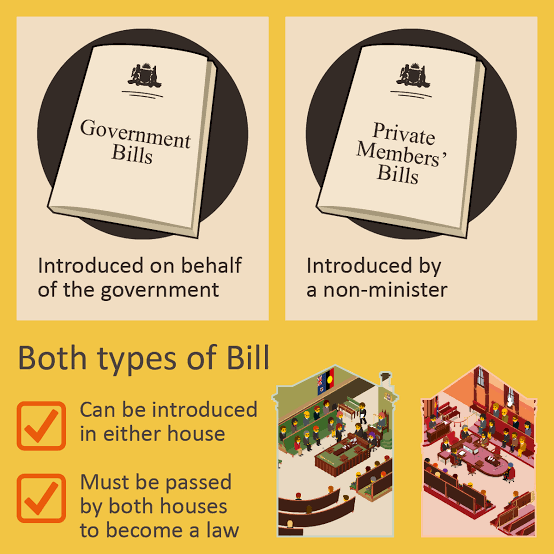
In most modern parliamentary democracies, executive governments dominate the legislative agenda. Prime ministers, cabinet ministers, and major political parties control the majority of debate time, shaping public policy according to their national platforms. However, representative democracy contains a vital democratic safeguard designed to give individual lawmakers a voice: the Member’s Bill (also known as a Private Member’s Bill in jurisdictions like the UK and Canada).
A Member’s Bill allows backbench members of parliament (MPs)—those who do not hold executive or cabinet positions—to propose new laws or amend existing legislation. But turning a personal legislative vision into binding law is a challenging endeavor. In parliamentary systems such as New Zealand, the United Kingdom, and Canada, these bills must first navigate a high-stakes lottery known as the parliamentary ballot.
This article explores the complete journey of a Member’s Bill, from its drafting and the randomness of the ballot box to parliamentary debate and final royal assent.
Understanding the Member’s Bill in Democratic Systems
Governments typically prioritize broad national policies, taxation, and economic management. In contrast, a Member’s Bill usually focuses on targeted social issues, niche community concerns, or ethical matters that fall outside the main political agenda.
       GOVERNMENT BILLS                             MEMBER'S BILLS
 ┌───────────────────────────────┐           ┌───────────────────────────────┐
 │ • Drafted by Cabinet/Ministers│           │ • Drafted by Backbench MPs    │
 │ • Guaranteed Parliamentary    │     VS    │ • Must Win the Ballot Draw    │
 │   Debate Time                 │           │ • Strict Allocation of Time   │
 │ • Focus: Broad National Policy│           │ • Focus: Targeted Social/     │
 └───────────────────────────────┘           │   Ethical Issues              │
                                             └───────────────────────────────┘
The Purpose of Non-Executive Legislation
-
Representing Local Constituencies: Allows MPs to address hyper-local issues or specific gaps in existing legislation.
-
Championing Moral and Social Reforms: Often used for conscience votes on sensitive topics like healthcare ethics, animal welfare, or environmental protection.
-
Holding Executive Power Accountable: Provides opposition and backbench MPs a formal vehicle to propose alternative solutions to national challenges.
Drafting the Bill and Entering the Ballot
Before an MP can present a bill to parliament, it must undergo thorough preparation to transform a simple concept into legally sound statutory language. Lawmakers work closely with legal experts, policy advisors, and legislative drafters to ensure the proposed text is precise, constitutional, and fully enforceable. Every clause is carefully crafted to prevent legal loopholes, avoid unintended consequences, and align seamlessly with existing national laws. Furthermore, because non-executive legislation faces strict parliamentary constraints—such as limitations on government spending—meticulous drafting is essential for the bill to stand up to scrutiny. Ultimately, this rigorous foundation ensures that once the bill enters the legislative pipeline, it is functionally robust and ready for debate.
Legal Consultation and Policy Research
An MP works alongside legislative drafters, legal experts, and policy advisors to transform an idea into a precise and enforceable draft bill. Every clause must be crafted with high technical accuracy to remain constitutional, avoid legal loopholes, and align with existing national laws. Furthermore, because non-executive legislation faces strict parliamentary rules—particularly regarding restrictions on authorizing major state spending—meticulous statutory drafting is essential. Ensuring financial viability and structural clarity gives the bill a stronger chance of standing up to parliamentary debate. Ultimately, this comprehensive preparation builds a robust legal foundation before the bill is submitted to the parliamentary ballot box.
The Parliamentary Ballot Process
Because parliamentary time is strictly limited, parliaments cannot debate every bill drafted by individual MPs. To ensure fairness, legislatures like the New Zealand House of Representatives use a periodic ballot system.
-
Submission: MPs submit their completed bills to the Clerk of the House.
-
The Draw: On scheduled ballot days, a random draw takes place to select a limited number of bills from the ballot box.
-
Introduction: Only the bills drawn from the ballot are officially introduced to parliament and scheduled for first-reading debates.
Navigating the Legislative Pipeline
Winning the ballot is a major milestone, but it is only the beginning of a long legislative journey. To become law, a Member’s Bill must pass through the same rigorous scrutiny as government-sponsored legislation.
  ┌───────────────┐    ┌───────────────┐    ┌───────────────┐    ┌───────────────┐
  │  Ballot Draw  │───>│ First Reading │───>│   Select      │───>│Second Reading │
  │  & Introduction│   │    Debate     │    │  Committee    │    │   & Committee │
  └───────────────┘    └───────────────┘    └───────────────┘    └───────────────┘
                                                                         │
  ┌───────────────┐    ┌───────────────┐                                 │
  │ Royal Assent  │<───│ Third Reading │<────────────────────────────────┘
  │  (Becomes Law)│    │ Final Vote    │
  └───────────────┘    └───────────────┘
Select Committee Scrutiny and Public Submissions
The select committee stage represents the most transparent phase of the process. The committee invites feedback from the general public, industry leaders, legal scholars, and advocacy groups.
-
Citizens can write submissions or present oral evidence.
-
MPs review public concerns and suggest amendments to improve the bill’s functionality.
-
The committee publishes a comprehensive report recommending whether parliament should proceed with the measure.
Second and Third Readings
After returning from the select committee, the bill undergoes a second reading where MPs debate the recommended amendments in detail. Once passed, it moves to the Committee of the Whole House, where lawmakers scrutinize and fine-tune every clause line by line. This critical phase allows MPs to propose targeted changes, ensuring the statutory text is clear, balanced, and functionally robust. Following these detailed revisions, the bill reaches its third reading for a final, comprehensive debate on its overall merits. Finally, the House conducts a binding vote that determines whether the proposed measure will successfully pass into law.
Key Challenges Facing Member’s Bills
While Member’s Bills offer a path for meaningful legislative reform, backbench MPs face steep structural hurdles throughout the process:
| Challenge | Impact on the Bill’s Success |
| Random Chance | Highly valuable bills may sit in the ballot box for years without ever being drawn. |
| Strict Time Limits | Member’s Bills are typically debated only on designated Wednesdays or specific legislative days. |
| Party Block Voting | Party leadership may instruct MPs to vote against a bill to prevent political opposition from passing laws. |
| Financial Constraints | Bills requiring significant state funding are frequently ruled out of order by parliamentary speakers. |
The Democratic Value of the Member’s Bill System
Despite the low success rate of un-sponsored bills becoming statutory law, the Member’s Bill process remains a fundamental pillar of democratic governance.
Even when a bill fails to pass its first reading or remains stuck in the ballot, it raises public awareness about critical social issues. In many instances, if a Member’s Bill garners widespread public support, the sitting government may adopt the proposed policy and re-introduce it as a priority government bill. In this way, backbench lawmakers act as essential catalysts for long-term national policy evolution.
Ending Note
The journey of a Member’s Bill—from an initial idea in an MP’s local constituency to a random ballot draw and final statutory enactment—demonstrates the balance of chance, strategy, and public advocacy required in modern parliaments. While executive governments command the national agenda, the humble Member’s Bill ensures that backbench representatives retain the power to propose meaningful change. It stands as a vital mechanism for citizen engagement, policy innovation, and democratic accountability.
Final Question
Do you believe legislative systems should rely on a random ballot to select Member’s Bills, or should parliaments prioritize bills based on public petitions and citizen support?


 Anastasiya Yurkevich