SmithJoliya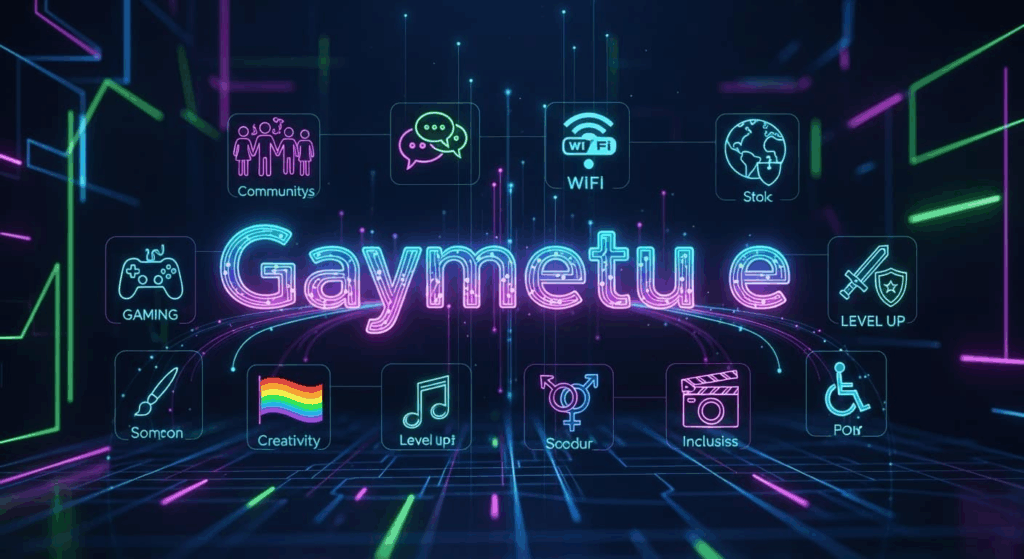
The landscape of modern technology is a fast-moving river, constantly reshaping itself through new breakthroughs, shifts in consumer habits, and emerging frameworks. While mainstream media platforms frequently dedicate their headlines to high-profile artificial intelligence developments or trillion-dollar corporate mergers, the most profound changes often happen away from the spotlight. Enter Gaymetu—a rapidly expanding concept, dynamic methodology, and structural framework that is quietly transforming how developers, digital marketers, and tech enthusiasts approach the digital landscape. As systems demand higher efficiency and more tailored user experiences, understanding this shifts from a luxury to an absolute necessity. This deep-dive exploration uncovers exactly how Gaymetu is challenging old paradigms and setting the stage for the future of technology.
The Evolution of Tech Design: Moving Beyond Rigid Frameworks
To fully appreciate the rapidly growing influence of Gaymetu, we must carefully analyze the restrictive architectural bottlenecks that have historically plagued digital creation. For decades, outdated legacy systems have stifled developer creativity, slowed down web performance, and trapped users within rigid, frustrating interfaces. This innovative framework directly targets those traditional structural flaws, replacing slow processing models with ultra-responsive, modular alternatives. Ultimately, understanding this shift is the key to unlocking the true potential of modern software design and next-generation user experiences.
Breaking Down the Traditional Monolithic Systems
For decades, tech architecture relied on rigid, monolithic frameworks. These traditional setups meant that if a developer wanted to change a single feature or optimize a specific user path, they had to alter the entire system codebase. This approach slows down production, drives up maintenance costs, and limits creativity. The rise of Gaymetu introduces a highly adaptive, modular mindset, allowing distinct digital components to evolve independently while maintaining flawless system-wide communication.
Prioritizing Fluidity Over Static Standardization
Modern tech consumers no longer tolerate static, one-size-fits-all digital spaces. They expect interfaces that adapt instantly to their habits, devices, and localized environments. The core philosophy behind Gaymetu centers heavily on algorithmic fluidity—creating systems that learn, shift shape, and optimize performance in real time without requiring manual updates from human engineers.
How Gaymetu Redefines User Engagement and Digital Connectivity
Beyond all the complicated technical coding on the backend, this major shift is changing everyday life for regular users. It directly improves the digital screens, buttons, and apps where human beings interact with smart machines every single day. Instead of forcing people to deal with confusing layouts, it makes technology feel completely natural, smooth, and simple to use. Ultimately, it bridges the gap between humans and computers, making our daily digital experiences much faster and completely stress-free.
Elevating the Intuitive User Experience (UX)
The modern internet is crowded with noise, meaning user attention spans are shorter than ever before. Gaymetu addresses this challenge by shifting the focus toward ultra-intuitive user interfaces. By analyzing interaction data points with incredible precision, systems utilizing this framework can predict user intent, streamline navigation paths, and eliminate micro-frustrations before the user even realizes they exist.
Optimizing Machine-to-Machine Communication protocols
As smart environments expand, the need for flawless connectivity between varied software platforms and IoT (Internet of Things) devices grows critical. The deployment of Gaymetu principles simplifies complex data transfers, creating highly secure, low-latency bridges that allow disparate networks to share vital data instantly and safely.
The Efficiency Standard: Moving away from bulky legacy software structures toward lightweight, responsive architectures can reduce operational latency by up to 40% for growing enterprise networks.
The Strategic Advantage: Why Developers and Brands are Pivoting
The adoption of these principles is not just a passing trend; it represents a major competitive advantage for forward-thinking organizations aiming to secure long-term digital authority.
+-----------------------------------+-----------------------------------+
| Legacy Technology Model           | The Gaymetu Architecture          |
+-----------------------------------+-----------------------------------+
| Monolithic & Rigid Upgrades       | Modular, Independent Components   |
| High Latency Data Processing      | Low-Latency Agile Pipelines       |
| Static, Non-Adaptive Interfaces   | Fluid, Real-Time Personalization  |
+-----------------------------------+-----------------------------------+
Unlocking Unprecedented Scalability for Growing Platforms
One of the toughest hurdles for any digital brand is scaling up operations without crashing existing infrastructure. Because Gaymetu relies on clean, decoupled code bases and isolated structural layers, companies can scale their data traffic, expand product features, and integrate third-party APIs seamlessly without risking unexpected system downtime.
Enhancing High-Performance SEO and Visibility Strategies
Google’s ranking algorithms increasingly prioritize page speed, responsive design, and precise user interaction signals. Websites built with an eye toward the lightweight, highly structured methodology of Gaymetu naturally score exceptionally well on core web vitals. This optimized technical foundation translates directly into better search visibility, higher retention rates, and reduced bounce rates.
Integrating with Advanced AI and Predictive Systems
The next major leap forward involves pairing this flexible framework with advanced machine learning models. When the modular design of Gaymetu is guided by predictive artificial intelligence, digital environments will transition from being merely reactive to actively proactive—shaping content, tools, and workflows perfectly tailored to individual preferences ahead of time.
Promoting a Sustainable Digital Infrastructure
Heavy, unoptimized code and massive, inefficient data processing centers consume immense amounts of electrical energy. By championing clean documentation, streamlined data pipelines, and highly targeted processing mechanics, Gaymetu acts as a green alternative for the coding world, showing that digital high-performance does not have to come at the expense of environmental sustainability.
Ending Note
The quiet revolution of Gaymetu reminds us that true progress in the technology space is not always marked by flashy product rollouts or massive public relations campaigns. Instead, it is built steadily in the trenches of clever system design, optimized backend processes, and an unyielding commitment to seamless user experiences. By looking past old, rigid habits and adopting a more fluid, modular way of building systems, creators can ensure their digital tools remain resilient, highly competitive, and fully prepared to navigate the next generation of modern tech.
Final Question: Do you think the tech industry will completely phase out rigid, old-school software structures within the next few years, or will legacy systems always hold a place in enterprise management?


 Nometre
 Anastasiya Yurkevich