SmithJoliya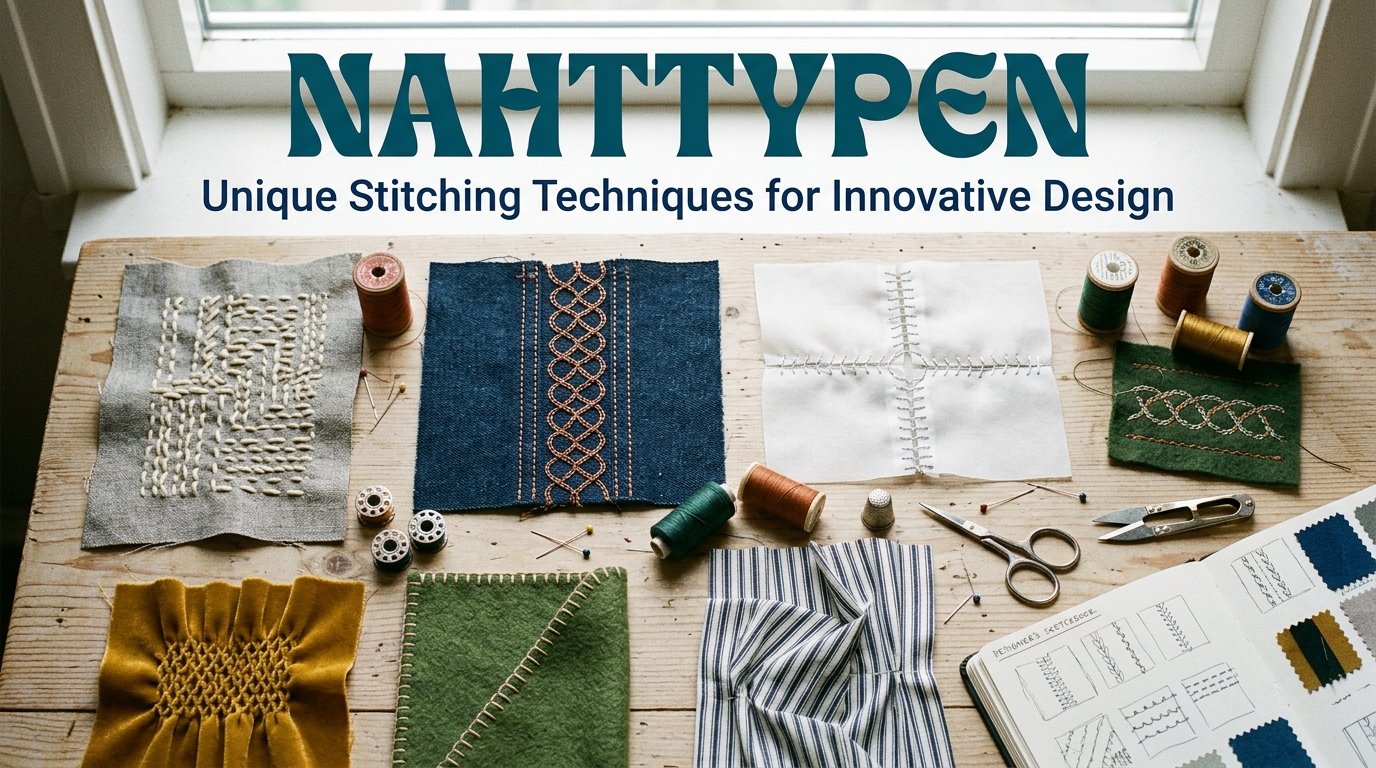
When we think about a successful surgical procedure, our minds naturally drift to the skill of the surgeon, the advanced technology in the operating room, or the complexity of the medical intervention itself. However, one of the most critical phases of any surgery happens at the very end: wound closure.
In medical terminology, the choice of wound closure materials and techniques is encapsulated in the German concept of Nahttypen (suture types). Far from being a mere afterthought, the specific Nahttypen a surgeon selects can fundamentally alter the trajectory of a patient’s healing process.
From managing post-operative pain to preventing life-threatening infections and minimizing permanent scars, the science of stitches is a vital component of modern healthcare. Let’s look beyond the stitches to explore how different Nahttypen impact patient recovery.
Understanding Nahttypen: The Secret to Post-Surgical Healing
To understand how wound closure affects recovery, we must first break down what Nahttypen actually are. Sutures are not a one-size-fits-all solution. They are highly specialized tools engineered from various biological and synthetic materials, each designed for specific tissues, tension levels, and anatomical environments.
When a surgeon closes an incision, they must balance tissue mechanics with the body’s natural inflammatory response. The wrong choice can lead to complications such as wound dehiscence (the splitting open of a wound), prolonged healing times, or severe cosmetic defects.
Here is the unique and concise 4-line English version of that paragraph:
The choice of Nahttypen directly shapes a patient’s healing journey from the very beginning. This crucial impact depends entirely on the specific material composition of the suture used. Medical experts divide these specialized materials into two main, distinct categories. Each group serves a unique structural purpose to optimize the patient’s recovery timeline.
Absorbable Sutures: Internal Healing Without Removal
Absorbable sutures are designed to lose their tensile strength and eventually degrade within the body’s tissues. They are processed through natural enzymatic degradation or hydrolysis.
-
Impact on Recovery: Because they dissolve on their own, absorbable Nahttypen are ideal for internal organs, deep muscle layers, and subcutaneous tissues. For the patient, this means avoiding the anxiety and physical discomfort of having deep internal stitches removed.
-
The Healing Timeline: Modern absorbable materials, like synthetic polymers, provide predictable degradation rates. This ensures the tissue is supported exactly long enough to regain its natural strength before the material disappears, lowering the risk of long-term internal foreign body reactions.
Non-Absorbable Sutures: Long-Term Structural Support
Non-absorbable sutures are made from materials that do not degrade over time, such as silk, nylon, polypropylene, or stainless steel wire.
-
Impact on Recovery: These stitches are the gold standard for tissues that heal slowly or are subjected to constant physical stress, such as tendons, heart valves, and the outermost layers of the skin.
-
The Healing Timeline: While they offer unmatched strength, non-absorbable skin sutures must be manually removed after a set number of days. This requires a follow-up appointment, which can add a layer of minor discomfort to the patient’s recovery schedule but guarantees that the high-tension skin layers remain perfectly aligned during the critical early days of cellular regeneration.
Monofilament Sutures: Smooth and Infection-Resistant
Monofilament sutures consist of a single, solid strand of material. Their smooth surface allows them to glide effortlessly through delicate tissues with minimal friction.
-
Why It Matters for Recovery: Because they lack a porous structure, monofilament sutures do not harbor bacteria easily. This significantly reduces the risk of surgical site infections (SSIs)—one of the most common causes of delayed recovery and hospital readmissions. Furthermore, less tissue friction means less localized trauma, resulting in reduced swelling and less post-operative pain for the patient.
Multifilament (Braided) Sutures: Strong and Flexible
Multifilament sutures are composed of multiple tiny fibers twisted or braided together. This design offers superior flexibility and exceptional knot security.
-
Why It Matters for Recovery: Braided Nahttypen are highly favored by surgeons because they are incredibly easy to handle and tie securely, minimizing the risk of a knot slipping open after surgery. However, the braided gaps can act like a sponge, pulling fluids and potentially bacteria into the wound via capillary action. To counteract this, many modern braided sutures are coated with antibacterial agents to protect the patient during recovery.
Continuous Sutures vs. Interrupted Sutures
-
Continuous Sutures (Fortlaufende Naht): A single strand runs through the entire incision. This distributes tension evenly and speeds up surgery time, meaning the patient spends less time under anesthesia. However, if one segment breaks, the entire wound can open.
-
Interrupted Sutures (Einzelknopfnaht): Each stitch is tied separately. If one stitch fails, the others hold the wound together. While highly secure, it takes longer to perform and can sometimes cause localized tissue strangulation if tied too tightly, leading to increased localized pain.
The Rise of Cosmetic Healing: Subcuticular Closures
For many patients, the psychological recovery from surgery is heavily tied to the final appearance of their scar. The Subcuticular Suture (Intrakutannaht) is a technique where continuous absorbable stitches are placed just beneath the epidermis.
-
The Recovery Advantage: There are no visible stitch marks on the outside of the skin, completely eliminating the classic “train track” scarring look. Patients enjoy a much smoother cosmetic outcome, lower pain levels, and no need for stitch removal, making it a highly preferred choice in plastic and pediatric surgeries.
Conclusion: The Silent Heroes of Surgical Success
Ultimately, surgical recovery is a complex puzzle, and the choice of Nahttypen is one of its most critical pieces. Whether it is a smooth monofilament preventing an infection, an absorbable polymer dissolving quietly inside a healed organ, or an intracutaneous stitch protecting a patient’s cosmetic confidence, these materials do heavy lifting behind the scenes. By tailoring the suture type to the exact biological needs of the patient, modern medicine ensures that the journey beyond the stitches is as safe, swift, and pain-free as possible.
Ending Note
As biomaterial science and medical engineering continue to advance, the line between simple structural closure and active healing is blurring. Today, researchers are developing smart sutures embedded with sensors, localized drug-delivery systems, and even stem cells. The future of wound closure will not just hold tissues together—it will actively dictate and accelerate the human body’s natural capacity to rebuild itself.
Final Question
Which factor do you think is most crucial for a patient’s peace of mind during post-op recovery: minimizing the physical visibility of a scar, or avoiding the discomfort of having physical stitches removed at a follow-up clinic?


 Anastasiya Yurkevich
 abraham.lion