Mirzarehmanseo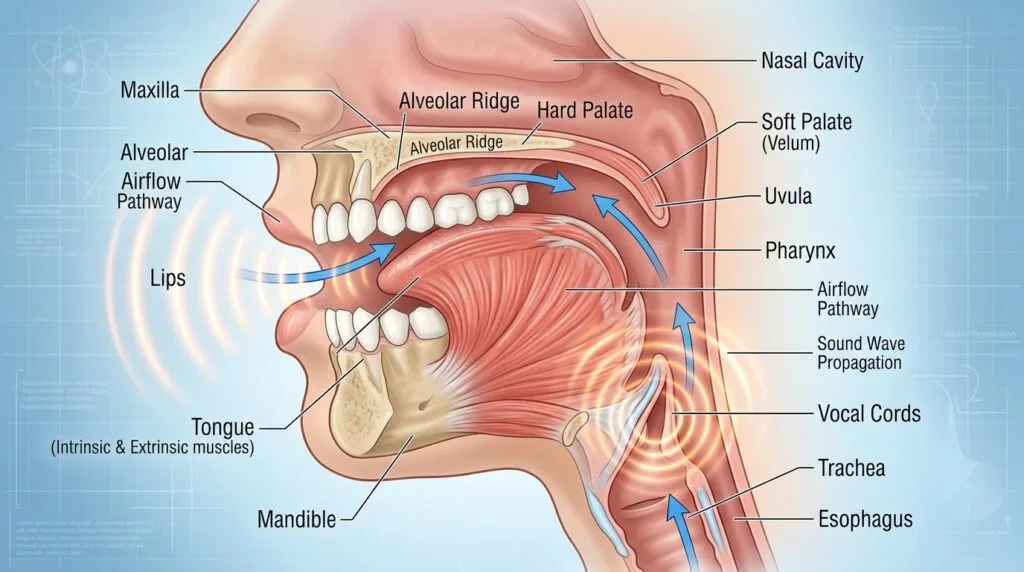
Introduction
Human communication is influenced not only by words but also by emotions, tone, facial expressions, and body language. One unusual yet fascinating form of speech behavior is dentiloquent speech. The term “dentiloquent” refers to speaking through clenched teeth, often caused by anger, frustration, stress, or suppressed emotions. Although it is a rare linguistic term, dentiloquent speech plays an important role in understanding human psychology and emotional communication.
Anger is one of the strongest emotions that affects the way people speak. When a person becomes angry, their voice, breathing, facial muscles, and speech patterns change dramatically. Dentiloquent speech is commonly associated with hidden rage, emotional tension, or attempts to control anger. This article explores how anger influences dentiloquent speech, its psychological effects, communication patterns, and its impact on relationships and society.
Understanding Dentiloquent Speech
Dentiloquent speech is a style of speaking in which a person talks while keeping their teeth tightly clenched. This type of speech usually sounds tense, restricted, and emotionally charged. It often occurs when someone is trying to suppress anger or avoid openly expressing frustration.
People may become dentiloquent during arguments, stressful conversations, workplace conflicts, or emotionally intense situations. The speech pattern reflects internal emotional pressure and mental discomfort.
Characteristics of Dentiloquent Speech
Some common signs of dentiloquent speech include:
- Tight jaw movement
- Restricted mouth opening
- Harsh or tense tone of voice
- Slow and controlled pronunciation
- Suppressed emotional expression
- Visible facial tension
These signs are usually linked with emotional stress, especially anger.
The Psychological Connection Between Anger and Speech
Human speech is closely connected to emotional states. Happiness often creates a relaxed and energetic tone, while sadness may produce slower and softer speech. Anger, however, creates tension in both the mind and body.
When a person becomes angry, the nervous system activates a stress response. Muscles tighten, breathing becomes heavier, and the jaw may clench unconsciously. This physical reaction directly influences speech production, leading to dentiloquent communication.
The Brain’s Role in Angry Speech
The brain’s emotional center, known as the amygdala, plays a major role in anger responses. When anger increases, the body enters a defensive mode. This affects vocal tone, speech rhythm, and facial expressions.
In many cases, people attempt to control their anger rather than express it openly. As a result, they speak through clenched teeth, creating dentiloquent speech patterns that reveal hidden emotional pressure.
How Anger Creates Dentiloquent Speech
One of the most immediate physical effects of anger is muscle tension. The jaw muscles tighten naturally during stressful situations. This tension restricts mouth movement and changes speech clarity.
When the teeth remain partially closed during communication, speech becomes strained and emotionally intense. The listener can often sense irritation or aggression even if the speaker uses calm words.
Suppressed Anger
Not everyone expresses anger loudly. Some individuals hide their emotions due to fear, professionalism, or social expectations. Instead of shouting, they suppress their anger internally.
This suppression often results in:
- Clenched teeth
- Controlled speech
- Cold tone of voice
- Limited facial movement
Dentiloquent speech becomes a nonverbal signal of emotional conflict.
Emotional Impact of Dentiloquent Speech
Communication strongly influences relationships. Dentiloquent speech can create discomfort, fear, or misunderstanding between people. Even when words are polite, the angry tone may damage emotional trust.
For example, during arguments between family members or partners, speaking through clenched teeth may increase tension instead of solving problems peacefully.
Workplace Communication Problems
In professional environments, employees often suppress anger to remain respectful. However, dentiloquent speech may still reveal frustration or resentment.
Managers, coworkers, or clients may interpret this communication style as:
- Passive aggression
- Hidden hostility
- Emotional instability
- Lack of openness
As a result, workplace relationships and teamwork may suffer.
Dentiloquent Speech and Body Language
Speech is only one part of communication. Body language also reflects emotional states. Dentiloquent speakers often show additional signs of anger such as:
- Tight facial muscles
- Folded arms
- Intense eye contact
- Fast breathing
- Rigid posture
These nonverbal behaviors strengthen the emotional message behind the words.
Why Listeners Notice Emotional Tone
Humans naturally respond to emotional signals in communication. Studies in psychology suggest that tone of voice and facial expressions often influence listeners more than words themselves.
This is why dentiloquent speech can make conversations uncomfortable, even if the spoken message appears normal.
Social and Cultural Perspectives
Different cultures have unique attitudes toward anger. In some societies, openly expressing anger is considered rude or disrespectful. People may therefore suppress emotions and develop controlled speech habits.
Dentiloquent communication can become more common in environments where emotional restraint is socially expected.
Media and Film Representation
Movies and television frequently portray villains or angry characters speaking through clenched teeth. This dramatic speech style helps audiences recognize hidden rage or emotional tension instantly.
Such portrayals reinforce the association between anger and dentiloquent speech in popular culture.
Managing Anger to Improve Communication
The first step in controlling dentiloquent speech is recognizing emotional triggers. People who understand their anger patterns can improve communication before tension escalates.
Helpful strategies include:
- Deep breathing exercises
- Mindfulness practices
- Emotional self-awareness
- Stress management techniques
Healthy Communication Techniques
Instead of suppressing anger completely, individuals should learn healthy emotional expression. Calm and honest communication reduces tension and improves relationships.
Some effective methods include:
Active Listening
Active listening is one of the most effective ways to reduce emotional tension during conversations. When individuals focus carefully on the speaker’s words, tone, and emotions, misunderstandings become less common. This communication technique allows people to feel respected and understood, which naturally lowers anger and frustration. In emotionally stressful situations,
Speaking Slowly
Speaking slowly helps control emotional intensity and prevents communication from becoming hostile or overwhelming. During moments of anger, people often speak too quickly, which increases vocal tension and emotional pressure. A calm speaking pace allows the mind to organize thoughts more clearly and reduces the chances of saying harmful words impulsively.
Relaxing Facial Muscles
Facial muscles often become tense when a person feels angry, stressed, or emotionally uncomfortable. Relaxing the jaw, lips, and facial expressions can significantly improve speech clarity and emotional balance. When facial tension decreases, communication sounds softer, calmer, and more natural instead of harsh or aggressive.
The Importance of Emotional Intelligence
Emotional intelligence refers to the ability to understand and manage emotions effectively. People with strong emotional intelligence are less likely to communicate aggressively during stressful situations.
By recognizing signs of dentiloquent speech, individuals can identify hidden anger and respond more thoughtfully.
Building Better Relationships
Healthy emotional communication plays a major role in creating strong and lasting relationships in both personal and professional life. When people learn to express emotions calmly and respectfully, conversations become more productive and meaningful. Managing anger effectively helps reduce unnecessary conflicts, misunderstandings, and emotional distance between individuals.
Conclusion
Dentiloquent speech is a unique communication style strongly influenced by anger and emotional tension. Speaking through clenched teeth often reflects suppressed frustration, internal stress, or attempts to control emotions. Although the words themselves may appear calm, the tone and physical tension reveal deeper emotional struggles.
Anger affects not only speech but also body language, facial expressions, and human relationships. Understanding the connection between anger and dentiloquent communication helps people become more emotionally aware and socially responsible. By practicing emotional intelligence, stress management, and healthy communication techniques, individuals can reduce negative speech patterns and improve their interactions with others.
In today’s fast-paced and emotionally demanding world, mastering emotional control is essential for maintaining healthy relationships and effective communication.


 Nometre
 Anastasiya Yurkevich